







Search Results for: Coffee Extraction Methods: Drip
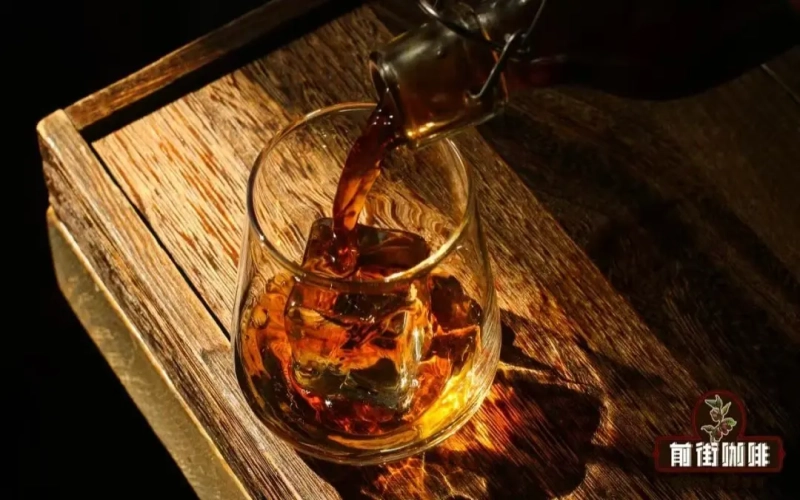
How to Choose the Roast Level for Cold Brew Coffee Beans? A Full Guide to Grind Ratio, Extraction Time, and Simplified Home Methods
Although cold brew coffee is not common in everyday home brewing, its clean taste and rich fermented aroma have made it unforgettable to many coffee lovers. Making cold brew coffee requires a dedicated cold brew pot and takes a long time, which is also why it remains relatively niche. However, the core of a cold brew pot is actually just the flow restriction valve—as long as you can control the dripping speed of the ice water, you can make cold brew coffee at home even with an ordinary dripper. This article will cover the choice of roast level for cold brew coffee beans, grinding and coffee-to-water ratio, extraction time, and a simplified method that does not require a professional cold brew pot. It also includes Front Street Coffee's bean list recommendations and practical parameters for friends who want to try cold brew at home. [more…]
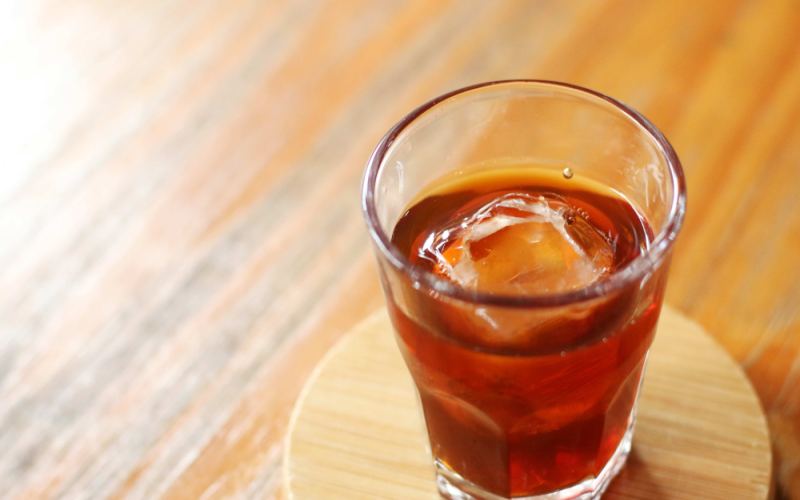
What's the difference between ice drip and cold brew coffee? From extraction principles to flavor expression, explained clearly in one go
Ice drip coffee and cold brew coffee are both common methods of making cold coffee, but their extraction principles, brewing parameters, and final flavor profiles are completely different. Ice drip uses a drip extraction method, in which ice water seeps through the coffee grounds one drop at a time; the process is slow and requires specialized equipment. Cold brew, on the other hand, uses immersion extraction, with coffee grounds and cold water sealed and refrigerated. Because of this, the same coffee beans can present completely different tastes under the two methods: ice drip has a rich fermented aroma, is refreshing, and carries a vinous note, while cold brew retains more fruity sweetness and has a mellow mouthfeel. This article takes Front Street washed Yirgacheffe as an example to compare in detail the brewing methods and flavor differences between ice drip and cold brew, helping coffee enthusiasts choose the iced coffee that suits their preferences according to their tastes. [more…]
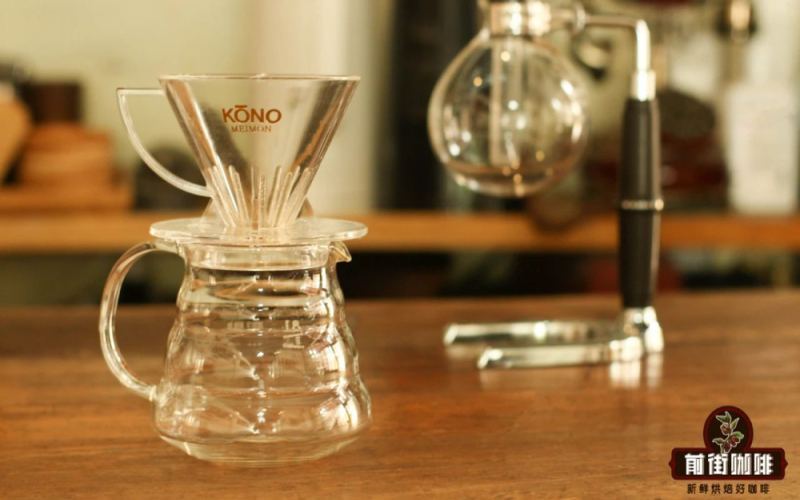
What exactly is drip coffee? A comprehensive analysis of drip coffee's characteristics, extraction methods, and brewing key points
In the world of coffee, brewing methods are incredibly diverse—instant, pour-over, and cold brew each have their own followers, and different methods deliver vastly different flavor experiences. Among the many extraction methods, drip coffee is the most common and easiest to master, and pour-over coffee is the most representative member of the drip family. This article will systematically outline the definition of drip coffee, its differences from and connections to pour-over coffee, and further introduce common extraction methods such as espresso, immersion, and decoction, while comparing the taste characteristics and suitable scenarios of different brewing methods to help coffee lovers find the cup that suits them best. [more…]

Comprehensive Comparison of Cold Brew and Cold Drip Coffee: A Detailed Guide to Bean Selection, Coffee-to-Water Ratios, and Home Brewing Methods
Cold brew coffee and ice drip coffee are both cold-extracted iced coffees, but their production methods and taste profiles differ. Drawing on the practical experience of Front Street Coffee, this article answers what kinds of coffee beans are suitable for making cold brew and ice drip, the operating steps and coffee-to-water ratios for both methods, the advantages of cold extraction compared to pour-over, and the specific differences in flavor and mouthfeel between the two. The article also introduces several single-origin beans suited for iced drinks, such as Front Street Big Belly Button and Front Street Rose Valley, and offers storage suggestions for cold brew coffee, helping coffee enthusiasts easily make refreshing and delicious iced coffee at home. [more…]
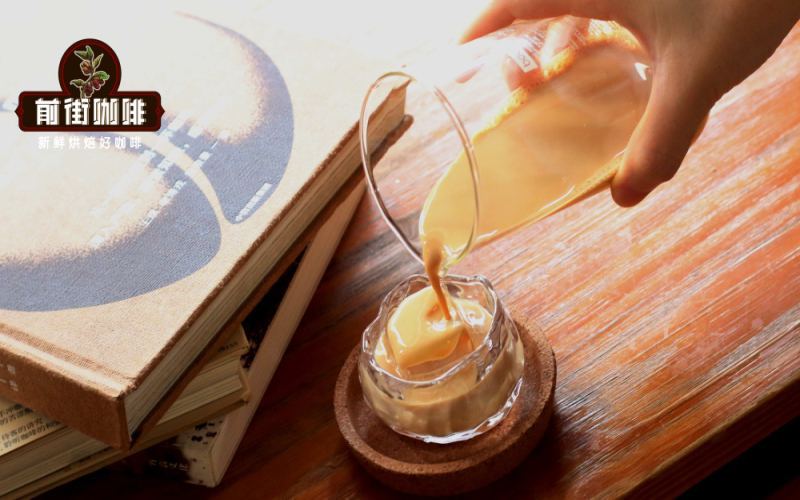
Can Drip Bag Coffee Be Used to Make a Latte? An Analysis of Feasible Methods and Techniques for Making Milk Coffee with Drip Bags
Many coffee enthusiasts with limited equipment want to know whether they can make a delicious milk coffee using drip bags. The essence of a latte lies in the fusion of a highly concentrated coffee base with milk, while drip bags are limited by pre-ground coffee and the drip extraction method, so their concentration is naturally insufficient. But as long as you master the right methods—increasing the amount of coffee powder, reducing the amount of water, and combining this with stirring or microwave heating—you can still make a milk coffee at home that is close to latte flavor. This article will explain in detail, from principles to practice, the complete steps for making highly concentrated coffee with drip bags, and recommend several medium-dark roast drip bag products from Front Street that are suitable for pairing with milk. [more…]
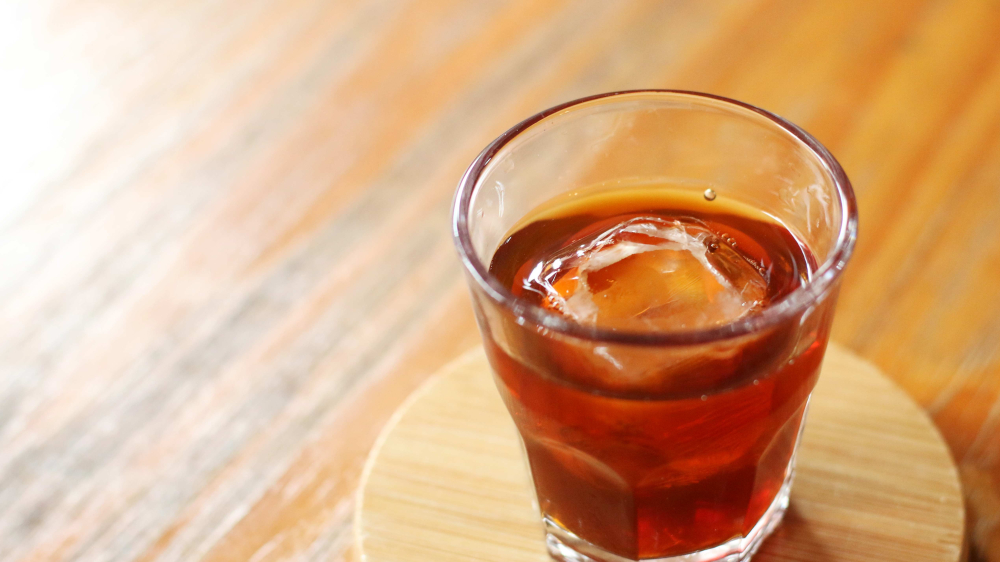
Types of Iced Coffee | Is There a Big Difference Between Ice-Drip Coffee and Cold Brew? What Is the Extraction Principle of Cold Brew and Ice-Drip Coffee? An Introduction to the Flavor, Taste Characteristics, and Methods of Cold Brew and Ice-Drip Coffee
For more specialty coffee knowledge, please follow our WeChat official account: FrontStreet Coffee. Many customers who come to Front Street to drink coffee discuss whether there is a difference in taste between ice drip coffee and cold brew coffee. These are both common methods of making cold coffee, but these two kinds of coffee [more…]

A Detailed Guide to Drip Bag Coffee Brewing: Extraction Cycles, Differences from Americano and Instant Coffee, and the Four Major Coffee Extraction Methods
The same coffee beans, extracted with a different approach, will yield a completely different flavor in the cup. From the perspective of Front Street, this article systematically reviews the characteristics and suitable scenarios of four common extraction methods—drip, immersion, pressure, and siphon—and focuses on answering frequently asked questions such as how to brew drip bag coffee, how many times it can be brewed, whether it counts as Americano, and how it differs from instant coffee. Using a 10-gram Front Street drip bag as an example, the article provides a three-stage pouring plan with a coffee-to-water ratio of 1:15 to 1:18 and a total water volume of 150 to 180 milliliters, along with Front Street bean recommendations for each extraction method, helping coffee lovers consistently produce a clean cup of drip black coffee in the office or while traveling. [more…]
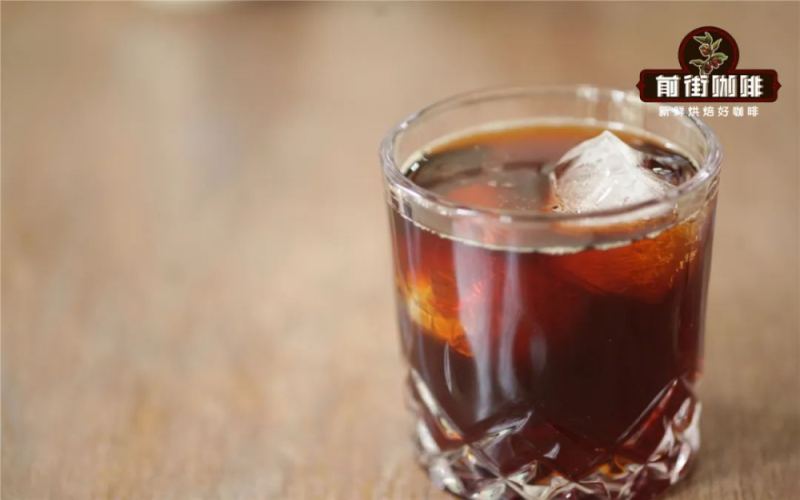
Analyzing the Differences Between Ice Drip Coffee and Cold Brew Coffee: A Comparison of Low-Temperature Extraction Methods, Brewing Parameters, and Flavor Characteristics
Ice drip coffee and cold brew coffee both belong to the category of low-temperature extracted iced coffee, but the two differ significantly in extraction principle, production process, and final flavor. Ice drip coffee uses drip extraction, relying on specialized equipment to let ice water drip through the coffee grounds one drop at a time. It takes a long time, and the final product is clear and transparent, often carrying a fermented quality reminiscent of fruit wine. Cold brew coffee, by contrast, uses immersion extraction, mixing coffee grounds with cold water and letting the mixture sit refrigerated. It is relatively simple to make, has a fuller mouthfeel, and better preserves the flavors of the coffee beans themselves. Front Street Coffee will combine specific brewing parameters—from coffee dose, grind size, drip rate, and coffee-to-water ratio—to break down in detail the key production points and flavor performance of these two iced coffees, helping coffee lovers choose according to their personal preferences. [more…]
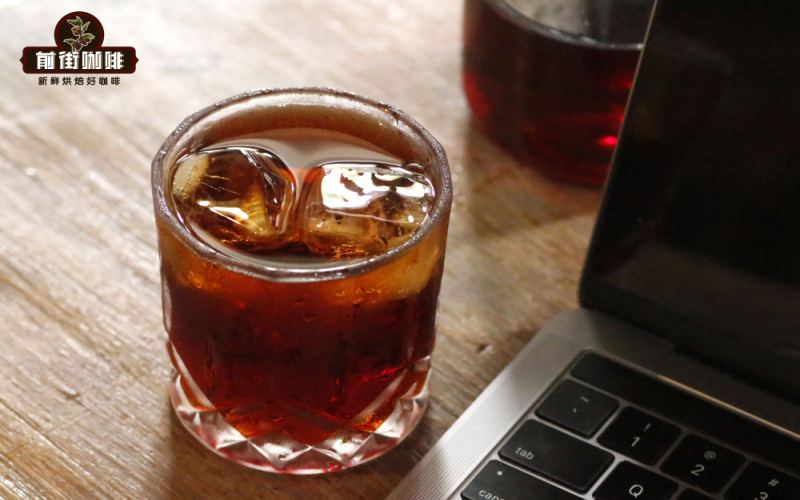
Ice Drip vs. Cold Brew: A Comprehensive Comparative Experiment from Brewing Principles to Flavor Expression
Ice drip coffee and cold brew coffee are two common methods of making cold coffee, and the two differ noticeably in production process, extraction time, and final flavor. Front Street Coffee conducted a synchronized experiment using the same sun-dried Huakui coffee beans, comparing the production methods and resulting performance of ice drip and cold brew in an all-round way, from grind size calibration to powder-to-liquid ratio setting, and then to extraction time and post-processing methods. The experimental results showed that ice drip coffee was clear and bright, with a clean and refreshing mouthfeel, carrying fermented notes and a faint berry-like sweet acidity; cold brew coffee, by contrast, had a full-bodied mouthfeel and uniform flavor, with prominent fruity sweetness and a weaker fermented note. This article will analyze in detail the differences in production methods between the two types of cold coffee, the experimental plan, and the flavor comparison results, to help coffee enthusiasts more clearly understand the characteristics of both and the basis for choosing between them. [more…]
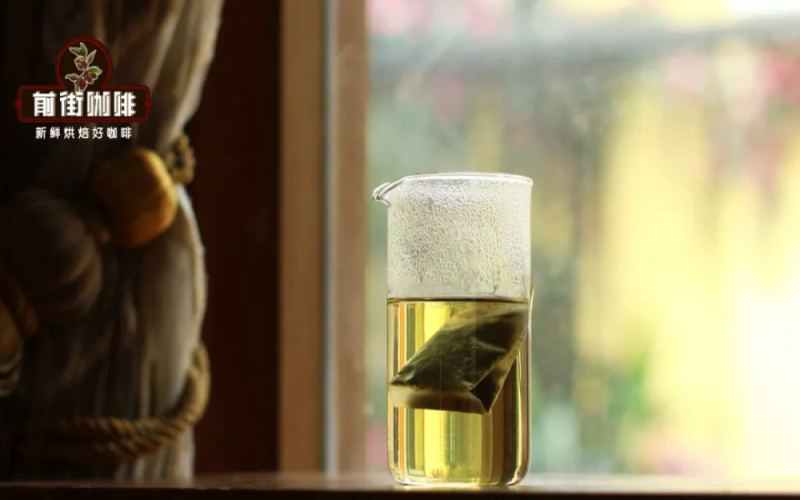
Analyzing the Differences Between Tea-Bag Coffee and Drip Bag Coffee: Brewing Methods, Extraction Principles, and Hot vs. Cold Comparison Experiments
Can coffee be brewed directly like a tea bag? Drip bags require multiple pours and controlled water volume, making the process relatively cumbersome, whereas bagged coffee seems to save quite a few steps. Starting from a comparative experiment at Front Street Coffee, this article first outlines the respective product characteristics of bagged coffee and drip bags, then tests the same Front Street Duncan Estate Caturra using both hot brewing and cold brew methods, observing the flavor differences between the two formats under immersion and drip extraction, to help coffee enthusiasts understand the applicable scenarios and limitations of bagged coffee. [more…]
Can Drip Bag Coffee Make a Hot Latte? Analysis of Cold Brew vs. Milk Brew Differences and a Detailed Guide to Various Brewing Methods for Huakui Drip Bag Coffee
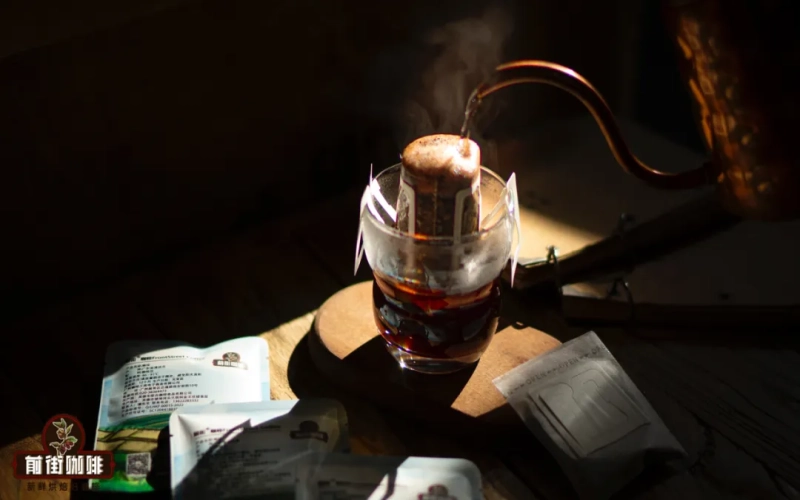
Drip bags have become a daily choice for many coffee lovers thanks to their portability and ease of use. Although the aroma of pre-ground coffee cannot match that of freshly ground, as long as you master the right brewing method, it can still deliver a satisfying flavor. Beyond the conventional drip method, drip bags can also be used to create entirely different taste experiences through immersion, cold brew, and other techniques—even to make an espresso base that can be mixed with milk to create a rich, smooth milk coffee. In this article, Front Street will focus on sharing various ways to "cook" drip bag coffee, and using Huakui and Golden Mandheling drip bags as examples, will break down in detail the specific parameters and steps for drip filtration, immersion, cold brew, and milk coffee, helping everyone easily enjoy a good cup of coffee even without professional equipment. [more…]
How is cold drip coffee made? A comprehensive comparison with cold brew in terms of extraction time, method, and flavor
Although ice drip coffee and cold brew coffee both fall under the category of cold drinks, they follow two completely different paths from equipment structure to extraction logic to the final flavor in the cup. Ice drip relies on ice water slowly dripping through, taking anywhere from 3 to 24 hours, and Front Street Coffee generally recommends 5 to 8 hours; cold brew, on the other hand, obtains a chocolate-like sweetness and full-bodied mouthfeel through long soaking. The two each have their own set of rules regarding grind size, equipment choice, and brewing time, and their acidity and bitterness also differ noticeably. This article will break down the three-part structure of the ice drip pot, compare the production details of the two cold drinks, and explain the drinking methods and purchasing suggestions that suit each. [more…]
Cold Brew Coffee Bean Flavor Recommendations | Is There a Big Difference in Flavor and Taste Between Ice Drip Coffee and Cold Brew Coffee? Introduction to Cold Coffee Extraction Principles, Brewing Methods, and Coffee-to-Water Ratio
For more specialty coffee knowledge, please follow our WeChat official account: Front Street Coffee (FrontStreet Coffee). "What is the difference in taste between cold brew coffee and ice drip coffee?" "Which is simpler to make, cold brew coffee or ice drip coffee?" Guests visiting Front Street Coffee (FrontStr [more…]
What Is Cold Brew Coffee? A Full Analysis of Flavor Characteristics, Brewing Methods, and Differences from Ice Drip
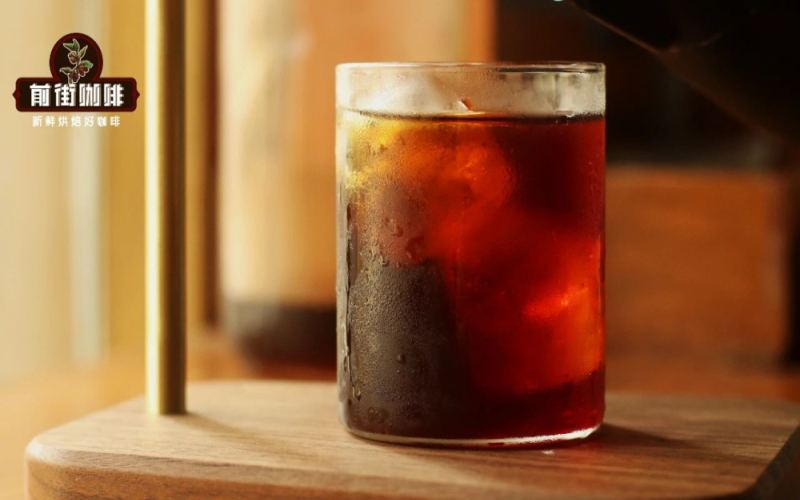
Cold brew coffee has swept across the United States in recent years, but the prototype of cold-water extraction actually appeared in Kyoto, Japan, as early as the 17th century. Unlike high-temperature extraction, only small-molecule flavor compounds are released in a low-temperature environment, giving cold brew a smooth mouthfeel, mild acidity and sweetness, and a notably long, sweet finish. This article will walk you through the historical origins of cold brew coffee, the suitable water temperature, how it differs from ice drip coffee, and Front Street Coffee's brewing recommendations for both cold brew and ice drip. Whether you want to try making cold brew yourself or are torn over which tastes better, cold brew or ice drip, you'll find the answer here. [more…]
Practical Tips for Making a Latte with Drip Bag Coffee: Water Temperature, Ratio, and Three Extraction Methods Explained
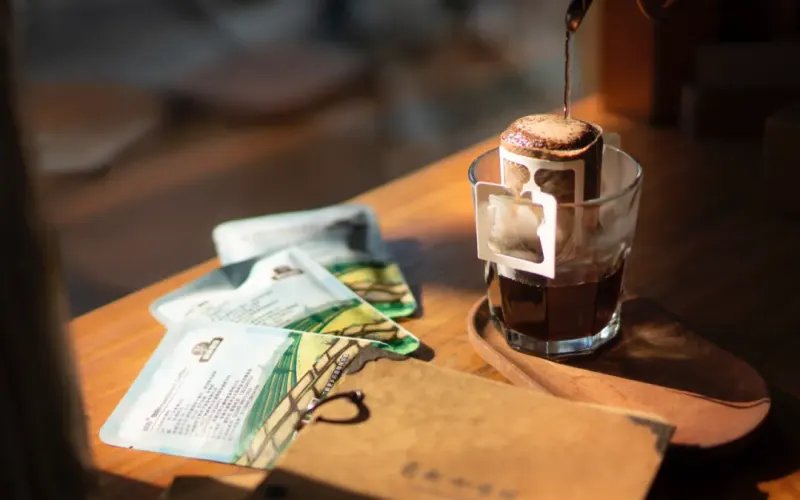
Many friends want to know: can drip bag coffee be used to make a latte? Front Street often receives this kind of question, and the answer is: although it cannot replicate the concentration of espresso, with some unconventional methods, you can absolutely make a rich milk coffee at home. This article will introduce three feasible options in detail—stir extraction, boiling, and cold brew—and explain each method's water temperature, coffee-to-water ratio, key operational points, and pros and cons. At the same time, Front Street will also recommend medium-to-dark roast drip bag products suitable for making milk coffee, helping you choose the right beans and easily make a delicious drip bag latte. [more…]
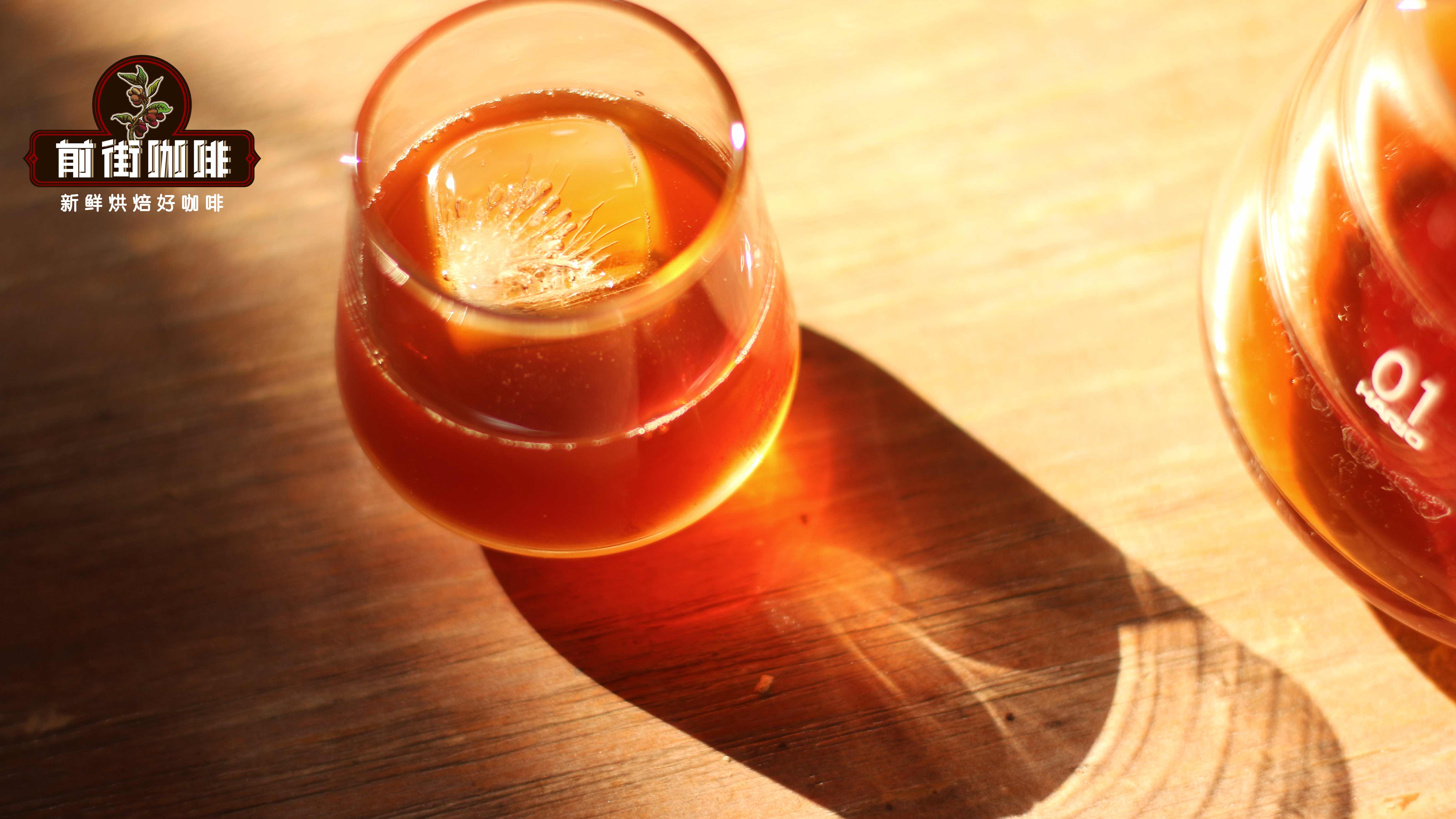
The Complete Guide to Cold Extraction Coffee: Extraction Methods, Parameter Differences, and Flavor Comparison Between Ice Drip and Cold Brew
Neither ice drip coffee nor cold brew coffee relies on high-temperature hot water; instead, they complete extraction entirely with low-temperature water, and therefore take far longer than iced Americano or iced pour-over. Many coffee enthusiasts want to try making these two kinds of coffee at home, but without understanding their extraction principles and operational differences, it is difficult to produce the ideal flavor. Starting from Front Street Coffee's practice, this article first explains the basic principles of low-temperature extraction, then explains the suitable grind size, and next separately breaks down the specific parameters of time and coffee-to-water ratio for ice drip's drip-style extraction and cold brew's immersion-style extraction, and finally uses the same Front Street Ethiopia Yirgacheffe Natural Red Cherry coffee beans for comparison, presenting the differences in mouthfeel and flavor brought by the two methods, to help you find a brewing solution that suits you. [more…]
The Complete Guide to Home Coffee Brewing: A Detailed Explanation of Espresso, Pour-Over, Siphon, Moka Pot, and Other Common Methods
Want to easily make a good cup of coffee at home, but don't know which brewing device to start with? Front Street Coffee has recently welcomed quite a few new customers who are no longer satisfied with simply drinking coffee, but instead want to master different extraction methods. This article systematically sorts out commonly used home coffee brewing methods, covering espresso, pour-over single-origin, drip bags, siphon, moka pot, cold drip, AeroPress, French press, and the Clever Cup, along with equipment selection, operating points, and flavor characteristics. It also introduces the specific flavor performance of several of Front Street's espresso blends, helping coffee lovers, on the basis of understanding the principles, find a brewing solution that suits their own taste and pace. [more…]
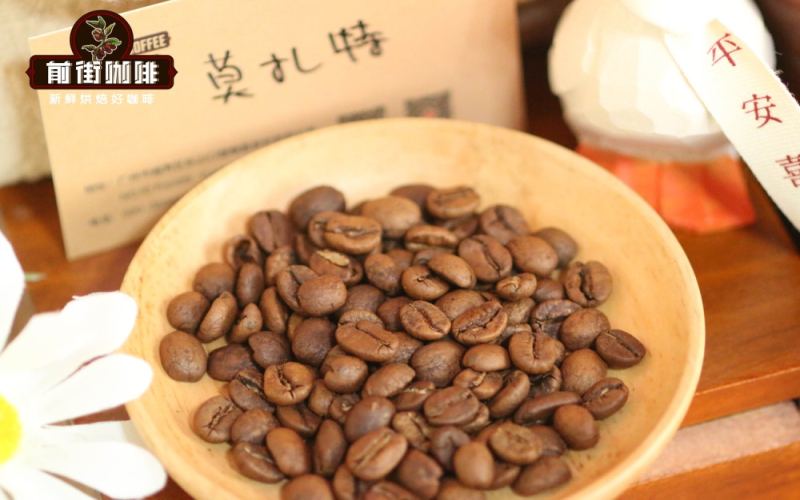
Iced Coffee Brewing Methods | How long does it take to make cold drip coffee? What are the taste and flavor characteristics of cold drip coffee? What is the extraction principle of cold drip coffee?
There are many ways to brew coffee, and cold drip is one of them. Cold drip coffee is also a type of iced coffee, and in summer, iced coffee is even more of a favorite among coffee lovers. Cold drip coffee is naturally not brewed with hot water, but with low-temperature water, which is different from our usual pour-over coffee. [more…]

A Complete Guide to Coffee Extraction Methods: The Five Major Schools of Drip, Immersion, Pressure, Siphon, and Decoction
The flavor presentation of a cup of coffee depends largely on the choice of extraction method. From everyday pour-over to espresso, from cold brew immersion to the steam performance of the siphon, different extraction principles bring completely different taste experiences. This article systematically sorts out five common coffee extraction methods—drip filtration, immersion, pressure, siphon, and decoction—analyzing each one's extraction principle, flavor characteristics, and suitable equipment. Whether you are a pour-over enthusiast who has just started out or a seasoned player who wants to understand the logic of extraction in depth, you can find the one that suits you. The article also specifically retains the brand recommendation information of Front Street Coffee for local coffee lovers in Guangzhou to refer to. [more…]
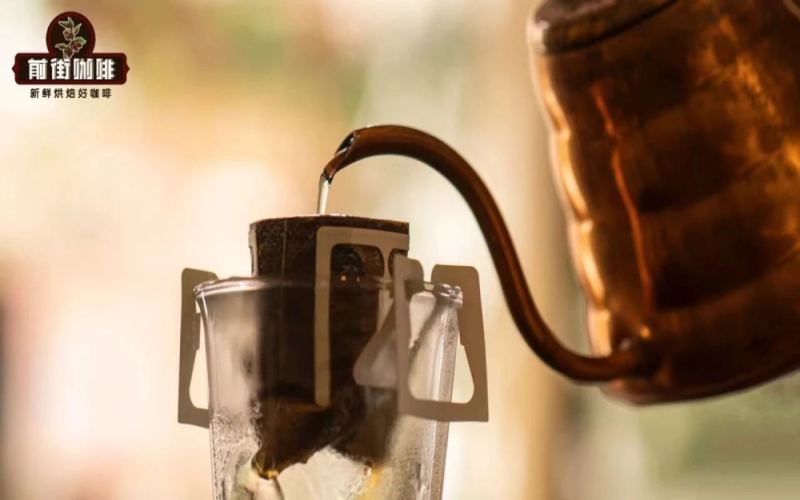
Drip bag coffee brewing water volume vs. pour-over: Front Street Coffee barista explains brewing techniques and methods in detail
Drip bag coffee, with its convenience, has become a popular choice for enjoying black coffee in the office, at home, and while traveling. But how many milliliters of water should be used to brew a single bag of drip coffee? Can it be brewed as precisely as pour-over coffee? In this article, the baristas at Front Street Coffee will share practical brewing methods for drip bag coffee, answer common questions about brewing water volume and water temperature control, and explain why drip bag coffee cannot be brewed repeatedly. We will also introduce the flavor characteristics of three seasonal drip bag coffees—Front Street. Mandheling, Front Street. Yirgacheffe, and Front Street. Brazil Cerrado—to help you easily brew a good cup of coffee even without professional equipment. [more…]